Chelsea: Diego Costa settles scores with Conte
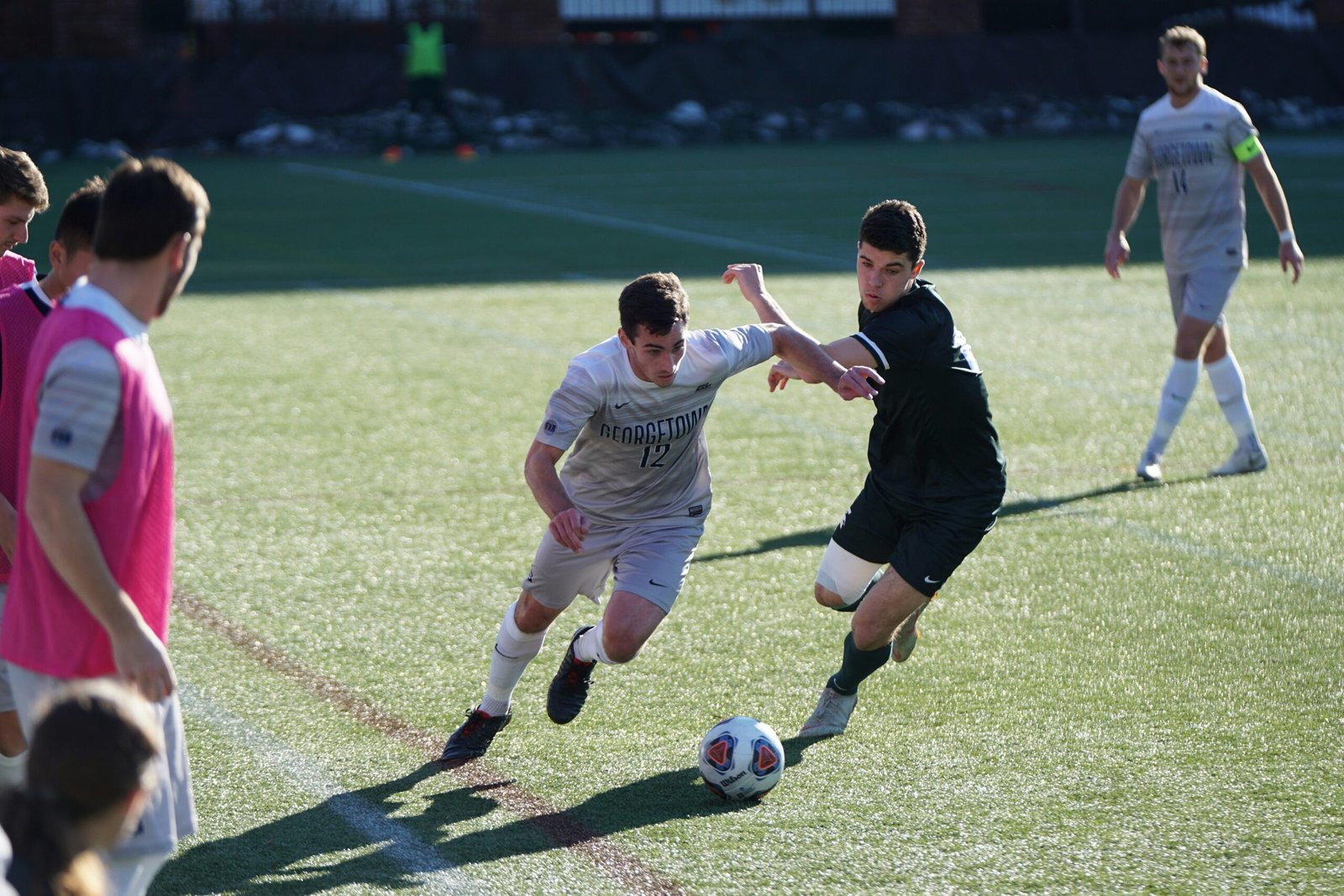
Eight years after leaving Chelsea, Diego Costa has publicly revisited the circumstances surrounding his break with Antonio Conte. The former Blues striker has delivered a brutal account of a collaboration that he clearly never got over.
Diego Costa holds a grudge. And when he talks about his time under Antonio Conte at Chelsea, his tone remains sharp, unfiltered and unapologetic. Behind a departure that was long presented as a simple sporting choice in the summer of 2017, the former Spanish-Brazilian striker describes a deep human rift, fuelled by a climate that became unbearable over the months.
A collaboration that became unbearable
As a guest on The Obi One Podcast, Diego Costa did not mince his words when talking about his former coach. “You don’t enjoy training with him. He’s always angry. Nobody liked him at Chelsea, which is why he didn’t stay long. I don’t think he gets laid at home, he’s always bitter,” said the former La Roja player.
As he spoke, Diego Costa broadened his observations to include the entire dressing room, painting a picture of a group worn down by the Italian manager’s methods. According to him, this collective mistrust explains both his own exclusion and the rapid end of the current Napoli coach’s adventure in London, despite a recently won English championship title.
A departure endured despite his attachment to the club
Although his tone is harsh, Diego Costa does not hide his deep nostalgia for his time at Chelsea. ‘It’s a real shame, because I was really happy at Chelsea. I didn’t want to cause any problems for the club, even though the players all wanted me to come back and they all hated him,’ adds the 37-year-old, suggesting that a return was desired internally, but not by the staff.
‘That’s why he didn’t last long at Chelsea… but I wish him all the best in his life,’ he concludes. After being let go by Chelsea in the summer of 2017, the striker then had to wait several months before playing again, recruited by Atlético Madrid while the club was under a ban on registering players. This forced wait prolonged the effects of a personal conflict that had not been properly resolved.








Post Comment